
• Support MPN
Logo Logo
  • Investigations
  • Analysis
  • Cartoons
  • Podcasts
  • Videos
  • Language
    • 中文
    • русский
    • Español
    • Français
    • اَلْعَرَبِيَّةُ
  • Support MPN
  • Watch | Gaza Fights Back
FBI

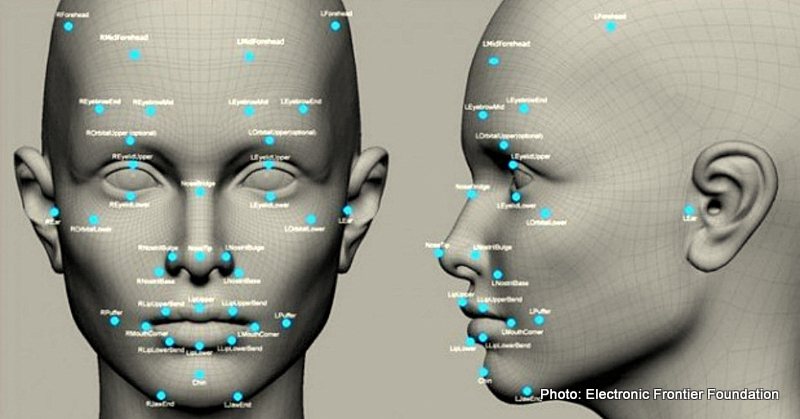
FBI Facial Recognition Technology Has ‘No Limits,’ Congressional Hearing Reveals

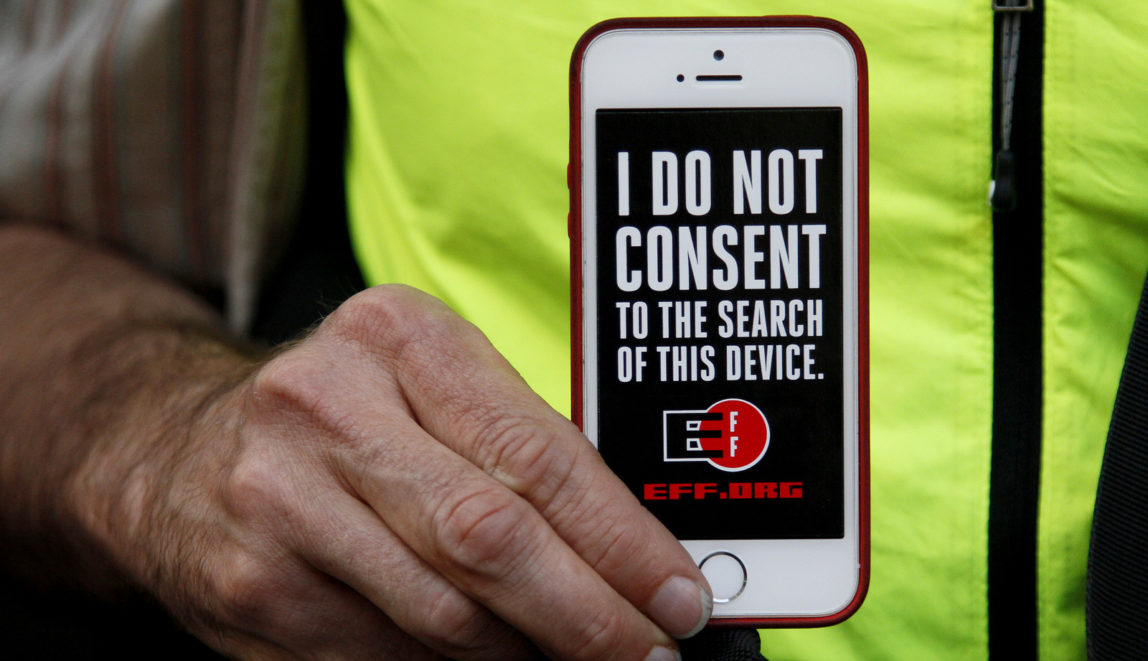
Can Border Officials Search Your Phone? These Are Your Rights

Recent detentions and seizures of phones and other material from travelers to the United States have sparked alarm. We detail what powers Customs and Border Protection officials have over you and your devices.

March 14th, 2017
Patrick G. Lee | ProPublica
March 14th, 2017
By Patrick G. Lee | ProPublica
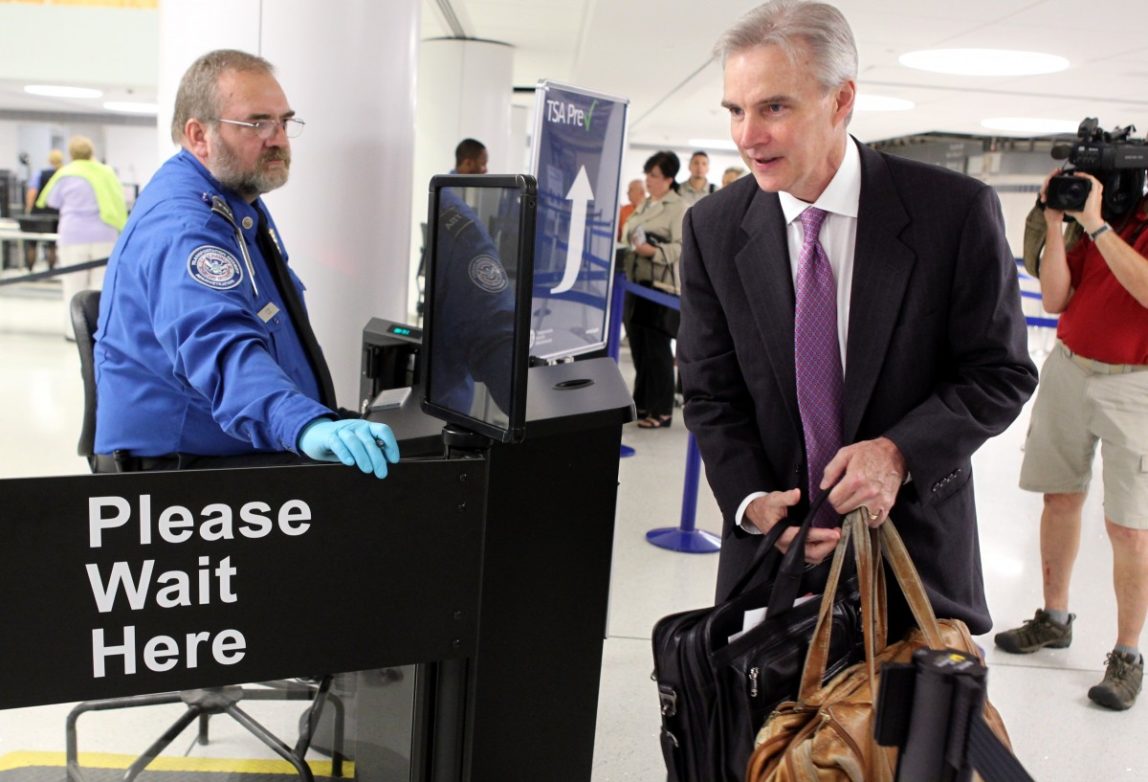
Transportation Security Administration agent Kevin Effan, left, allows a screened passenger to board his American Airlines flight. (AP Photo)

A NASA scientist heading home to the U.S. said he was detained in January at a Houston airport, where Customs and Border Protection officers pressured him for access to his work phone and its potentially sensitive contents. Last month, CBP agents checked the identification of passengers leaving a domestic flight at New York's John F. Kennedy

Read Full Article

US Border Agents Are Now Searching Digital Devices: What Are Your Rights?

U.S. Customs and Border Patrol agents are searching the phones and other digital devices of international travelers at border checkpoints in U.S. airports.

February 18th, 2017
Associated Press
February 18th, 2017
By Associated Press
A man holds up his iPhone during a rally in support of data privacy outside the Apple store in San Francisco. (AP/Eric Risberg)

PORTLAND, Ore. (ANALYSIS) — Watchdog groups that keep tabs on digital privacy rights are concerned that U.S. Customs and Border Patrol agents are searching the phones and other digital devices of international travelers at border checkpoints in U.S. airports. The issue gained attention recently after at least three travelers, including a

Read Full Article

US Surveillance Of Yahoo Email Seeks To Weaken Concept Of ‘Privacy’

Back in October, it was revealed that Yahoo has been scanning every single email of every single account belonging to every single user, likely covering in excess of a billion separate accounts.

December 22nd, 2016
Jason Ditz
December 22nd, 2016
By Jason Ditz
A Yahoo sign at the company's headquarters in Sunnyvale, Calif. On Wednesday, Dec. 14, 2016, (AP Photo/Marcio Jose Sanchez)

(REPORT) — Officials familiar with the NSA surveillance program targeting Yahoo’s email service say that the program reflects an ongoing effort to dramatically weaken the concept of “privacy” online, resting heavily on nebulous definitions of “search” and “reasonable” to argue for such a broad program. Back in October, it was revealed that Yahoo

Read Full Article

Federal Judge Green Lights Government Use Of Hidden Mics In Public

A federal judge has ruled that law enforcement may continue to place recording devices in public places because it does not violate the constitutional guarantee against warrantless searches and privacy protections. 

July 28th, 2016
Derrick Broze
July 28th, 2016
By Derrick Broze
A sign for the Federal Bureau of Investigation (FBI) offices in Washington, DC.

On Friday July 22, U.S. District Judge Phyllis Hamilton issued a 17-page ruling which found the practice of placing recording devices on the steps of courthouses in Oakland and Martinez, California to be “unsettling,” but not in violation of the Fourth Amendment. The four defendants in the federal criminal fraud case are accused of rigging real

Read Full Article

How Two Recent Supreme Court Decisions Nullify Your Constitutional Rights

Two recent decisions by the U.S. Supreme Court and a federal court in Virginia continue the erosion of Fourth Amendment protections from unreasonable search and seizure.

June 28th, 2016
Derrick Broze
June 28th, 2016
By Derrick Broze

Two controversial rulings from the U.S. Supreme Court and a federal judge in Virginia have civil liberties activists concerned about future abuse of power by law enforcement. On June 20, the Supreme Court ruled that evidence of a crime can be used against a defendant even if the evidence was gathered illegally. In a 5 to 3 decision, the court’s

Read Full Article

Court Rules Police Don’t Need To Know The Laws They Enforce

The Supreme Court ruled that an officer’s ignorance of the law essentially didn’t matter — effectively allowing police around the country the ability to make stops if they ‘reasonably’ believe the cause for the stop is legal.

June 15th, 2016
Claire Bernish
June 15th, 2016
By Claire Bernish
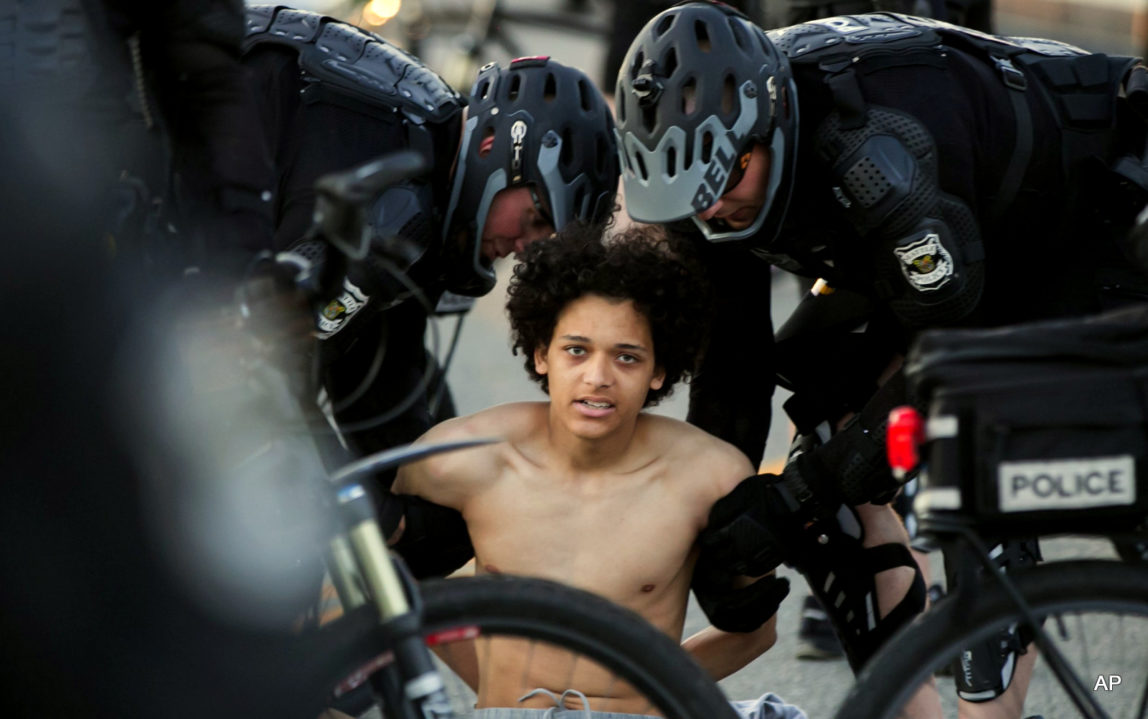
Seattle Police arrest a protester on 4th Avenue South in Sodo during the annual May Day protest and march Sunday, May 1, 2016, in Seattle, Wash.

Police are no longer be required to even give the appearance of an understanding of the laws they’re tasked with enforcing, thanks to a recent court decision surpassing even the veritable green light previously granted in Heien v. North Carolina. In the Heien case, the Supreme Court ruled a “police officer’s reasonable mistake of law gives rise

Read Full Article

  • Contact Us
  • Archives
  • About Us
  • Privacy Policy
© 2026 MintPress News