

In what is being hailed as a groundbreaking and historic step, Iran and six world powers including the U.S. agreed to a nuclear deal Saturday that will see a portion of crippling sanctions lifted off of Iran in exchange for a reduction of uranium enrichment in the country’s energy program.
As Reuters reports, the long sought negotiation, which on many occasions looked as though it would crumble, could signal “the start of a game-changing rapprochement that could ease the risk of a wider Middle East war.”
And as Middle East analyst Juan Cole writes Sunday, “The decade-long Neoconservative plot to take the United States to war against Iran appears to have been foiled.”
However, the deal made between the United States, France, Germany, Britain, China and Russia and Iran is not the end of negotiations between the countries and is rather, as Cole writes, “actually an agreement to negotiate, and the hard bargaining is yet to come.”
The agreement spans over the course of six months in which a more permanent resolution will be negotiated.
In the meantime, the U.S. will loosen roughly $7 billion worth of economic sanctions on Iran—although this is just a “fraction” of total sanctions imposed on the country as President Obama clarified—in exchange for a freeze of Iranian enrichment activities at their present non-threatening level amongst other demands limiting their nuclear capabilities.
The International Atomic Energy Agency will also be allowed to inspect Iran’s nuclear facilities regularly.
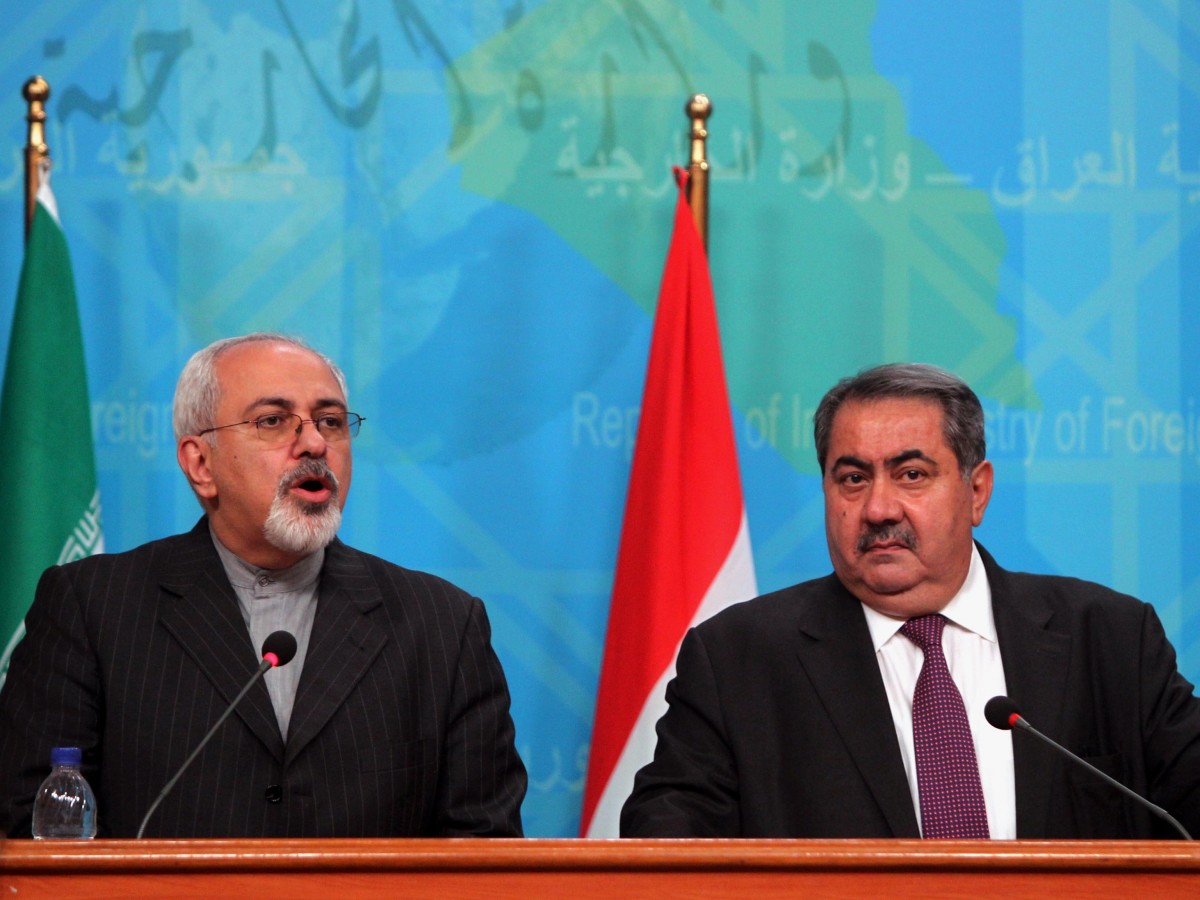
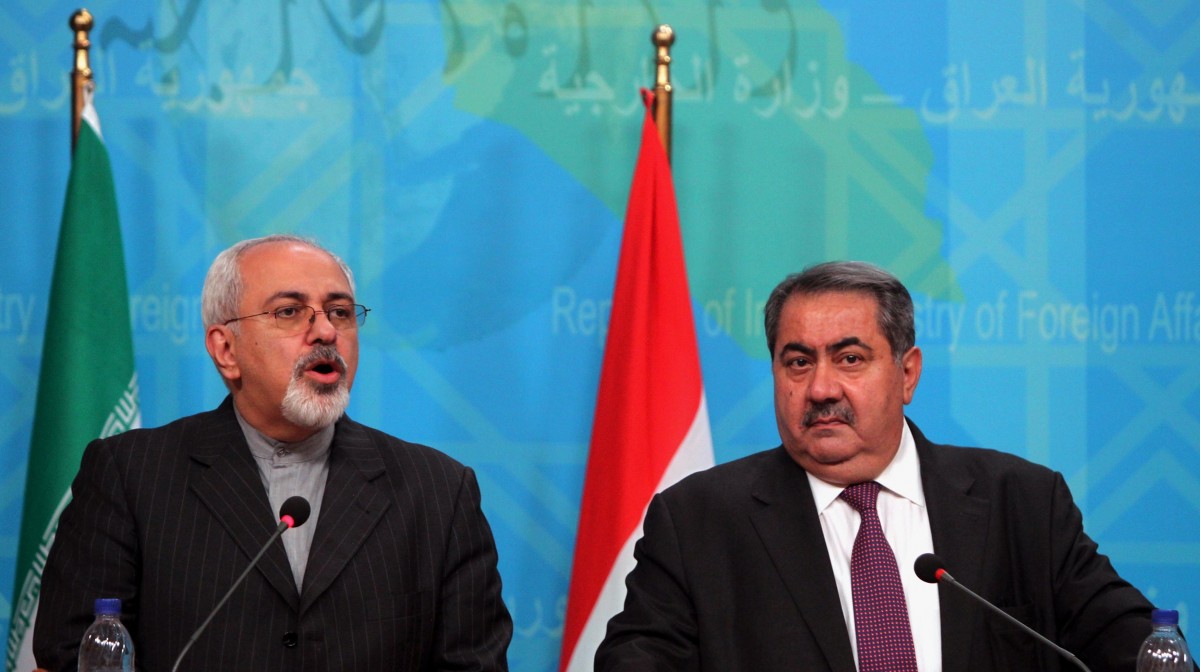
“The agreement did not recognize Iran’s right to enrich uranium,” Cole reports, “but Foreign Minister Mohammad Javad Zarif said that the right was implicit in the agreement (which does not forbid enrichment to 3.5% for reactor fuel) and in the Non-Proliferation Treaty.”
The agreement won the critical endorsement of Iranian clerical Supreme Leader Ayatollah Ali Khamenei. Ali Khamenei thanked Iranian President Hassan Rouhani and his negotiating team in a letter published by the state news agency IRNA, calling the deal made in Geneva a “success.”
In a nationally televised address Rouhani said the deal was a major breakthrough and “marks a starting point for a new experience for the Iranian nation.”
However, long opposed to negotiations with Iran unless the country eliminates all forms of uranium enrichment, Israeli Prime Minister Benjamin Netanyahu condemned the agreement,calling it a “historic mistake” and said the world was now a “more dangerous place.”
Netanyahu went on to hint, once again, at the country’s “right and the duty to defend itself by itself,” insinuating the potential for a unilateral war against Iran if Israel sees fit.
Meanwhile, the agreement does not relieve all tensions between the U.S. and Iran. In a statement, the White House clarified that “key oil, banking and financial sanctions architecture remains in place.” It said any relief would be revoked if Iran did not keep its commitments.
“The approximately $7 billion in relief is a fraction of the costs that Iran will continue to incur during this first phase under the sanctions that will remain in place,” the White House said. “The vast majority of Iran’s approximately $100 billion in foreign exchange holdings are inaccessible or restricted.”
This article originally appeared in CommonDreams.