


WASHINGTON (AP) — The American Civil Liberties Union on Tuesday released records it obtained from the FBI that it said showed the bureau’s San Francisco division used its Muslim outreach efforts to collect intelligence on religious activities protected by the Constitution.
Under the U.S. Privacy Act, the FBI is generally prohibited from maintaining records on how people practice their religion unless there is a clear law enforcement purpose. ACLU lawyers said the documents, which the organization obtained under the Freedom of Information Act, showed violations of that law.
After reviewing the ACLU documents, the FBI said the reports that contained notes about religious activity were appropriate because the agents were meeting with members of the Muslim community for law enforcement purposes.
The documents are from 2004 through 2008, before the FBI established a formal community outreach program and before it put in place sweeping new rules governing the collection of intelligence.
“Everyone understands that the FBI has a job to do, but it is wrong and counterproductive for the bureau to target American Muslim religious groups for secret intelligence gathering and place innocents at risk of investigation as national security threats,” ACLU attorney Hina Shamsi said in a news release.
Since the 2001 terrorist attacks, the FBI has stepped up its outreach to Muslim neighborhoods and efforts to recruit sources and gather intelligence in those areas. Though the federal government says those two efforts are completely separate, civil rights lawyers and some Muslims have complained that the FBI uses one to accomplish the other. The ACLU released a similar batch of documents last year.
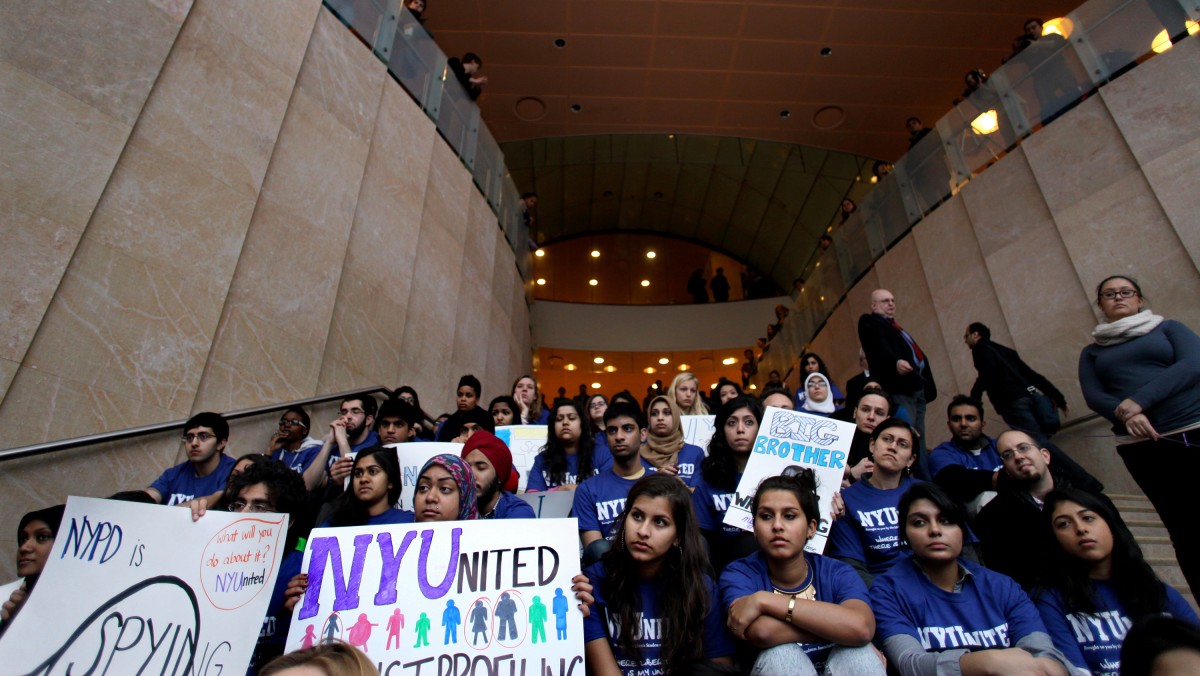
The gathering of intelligence inside mosques has been the subject of public debate recently, following an Associated Press investigation into the New York PoliceDepartment’s use of undercover officers and informants to report on the contents of sermons and the conversations inside mosques. Police secretly jotted down license plate numbers and snapped pictures as worshippers arriving at services, documents show.
In the case of the FBI, the meetings described in the ACLU documents were all overt — meaning FBI agents identified themselves. Typically they handed out business cards and asked how the FBI could help with problems in the community. Though it is not specified in the documents, it is common practice for the FBI to take notes during such visits, meaning participants in such conversations would know the FBI was documenting its visit.
“These 2004-2008 documents reflect that information was collected within the scope of an authorized law enforcement activity, whether investigation or liaison, including activities designed to strengthen relationships in various communities,” FBI spokesman Michael Kortan said. “Since that time, the FBI has formalized its community relations program to emphasize a greater distinction between outreach and operational activities.”
Many of those whose businesses were catalogued in NYPD files said they had no problem with police collecting information, but wished the police had engaged them openly.
The ACLU, however, maintains that even during the FBI visits, people had no way to know that details about their religious practices were being stored.
“The FBI attended the afternoon prayer as well as a sermon,” the FBI wrote in a 2005 document from a mosque in the northern California town of Seaside, Calif. The sermon “warned of the evils associated with the practice of earning interest on money.”
FBI agents are required to document their contacts and their activities. In the documents released by the ACLU, religious information was included as an aside and was not the focus of the reports. But because the information was entered into FBI files at all, it was available to be searched by investigators nationwide.