

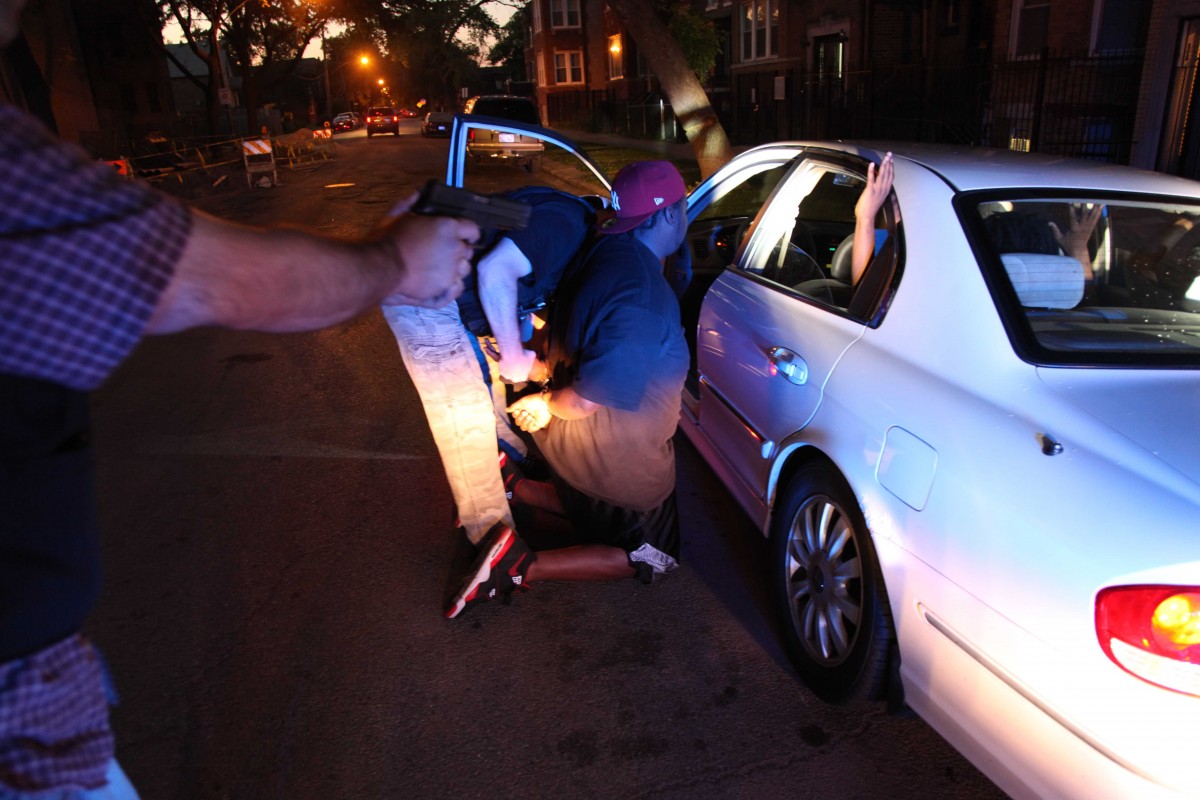
The Chicago Police Department fiercely covered up officer misconduct after it was exposed by two cops working with the FBI, according to a four-part investigation published by The Intercept on Thursday.
A team of officers working in public housing developments in the South Side would bribe drug dealers to keep them out of jail and sabotage the rival gang, the whistleblowers told The Intercept.
They were “major players” in the drug dealing scene in the South Side, and the ringleader, Sergeant Ronald Watts, may have been involved in the death of two dealers. Many cops were complicit, The Intercept reported.
“The payoffs were known on the street as the ‘Watts tax,’” wrote The Intercept.
“If a dealer paid the tax, his operation was protected from police interference. Watts, according to (Ernie) Brown (former head of the public housing development), was protecting dealers allied with him, while targeting the competition and redirecting seized drugs to his own dope lines.”
When the whistleblower officers, Shannon Spalding and Danny Echeverria, tried to initiate a “complaint register” investigation against the department, the head of internal affairs, Chief Juan Rivera, repeatedly refused and instead outed them.
Rather than punish the cops involved, the department demoted and abused the whistleblowers. They were verbally threatened and Spalding even received excrement one day in her mailbox. When they sued over the retaliation, the department settled with US$2 million to keep the case hushed. The department kept its “code of silence” intact—but tried to eliminate the words from the proceedings on the case.
“The code of silence is only silent to the outside world,” The Intercept quoted Spalding as saying. “For cops, it’s a constant ringing in your ears from the day you enter the academy to the day you retire.”