


(MintPress) – Biodiversity in the world has decreased 30 percent in the past 40 years, according to a recent report by the World Wildlife Foundation (WWF).
The 2012 Living Planet Report states that people are using about 150 percent of the Earth’s resources, consuming the amount of resources of one and a half Earths each year.
Colby Loucks, the director of conservation sciences at WWF, said the Earth is being treated like an unappreciated guest, with humans being the poor hosts.
“We’re emptying the fridge, we’re not really taking care of the lawn, we’re not weeding the flower beds and we’re certainly not taking out the garbage,” Loucks said.
The Living Planet report, updated every two years, brings awareness to the sustainability, or lack thereof, of humanities current environmental trends.
The most recent data from 2008 states that in one year, humans exceeded Earth’s biocapacity by 50 percent. Renewable resources, land and waste absorption are all considered biocapacity. Put differently, the resources humanity uses in one year takes the earth a year and a half to restore.
Last year, humans used the planet’s annual natural resources on Sept. 27, according to the Global Footprint Network, which marks “Earth Overshoot Day” each year.
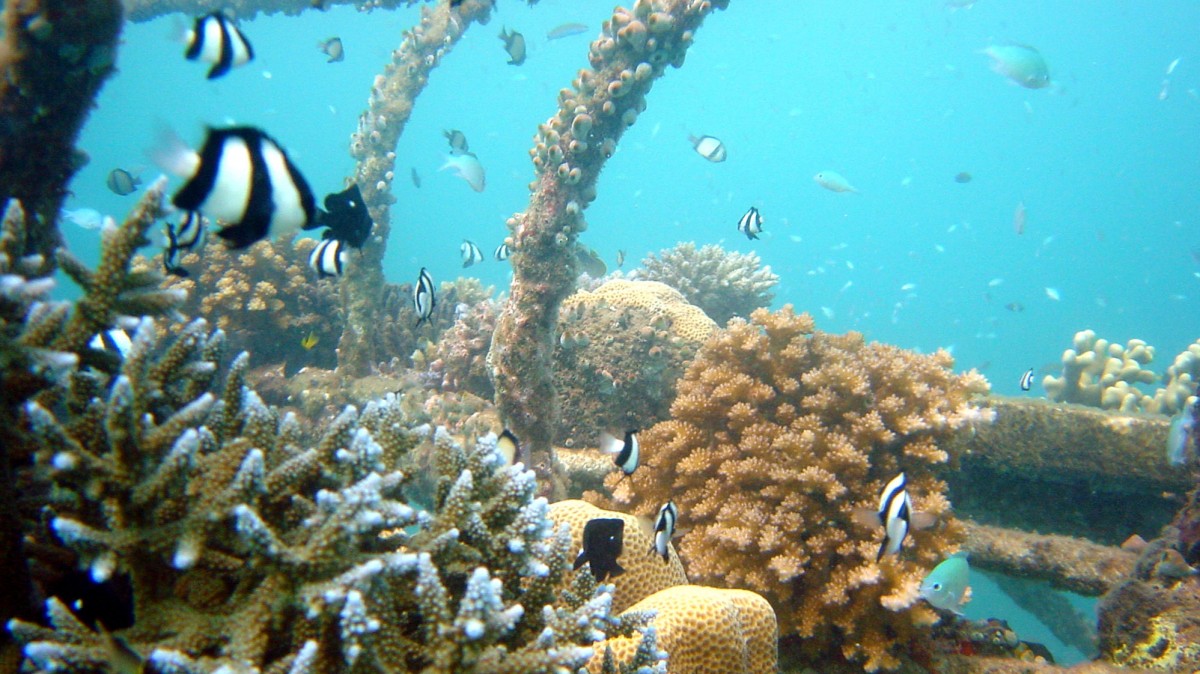
The WWF report also follows how populations of species are affected each year. This year, the report shows an average biodiversity loss of 30 percent within plants, animals and other organisms.
While some species are doing relatively well, tropical species have declined by 60 percent since the 1970s with freshwater tropical species declining by 70 percent.
Additionally, land-dwelling species have declined by 25 percent over the same time period and non-freshwater marine life has dropped 20 percent.
“As we’re approaching a planet with 9 billion people on it, we need to find a global solution,” Loucks said. “The challenge for us is this is a long-term problem. This is the Earth for millennia. We need to move beyond the election cycle, beyond the quarterly report cycle.”