WASHINGTON — Thousands of American veterans suffer from post-traumatic stress disorder, and they’re forced to endure the side effects of pharmaceutical drugs while an effective treatment with few side effects, medical marijuana, remains illegal and inaccessible to most.
A 2012 study from the Veterans Administration estimated that as much as 20 percent of veterans of conflicts in Iraq and Afghanistan suffer from PTSD. Among these veterans, the suicide rate is 50 percent higher than the national average and PTSD is a major contributing factor, according to a 2015 study by the National Institute of Mental Health. Nick Wing and Matt Ferner, writing in The Huffington Post, suggested VA doctors typically treat veterans with a combination of therapy and a selection of dozens of pharmaceutical drugs approved for the treatment of the often debilitating condition. Missing from that list, according to their report, is one particular treatment that’s made a difference in many lives: cannabis.
“[T]the government classifies marijuana as a Schedule I drug with no medical value and explicitly prohibits VA doctors from recommending marijuana,” Wing and Ferner wrote last month. The federal scheduling system is meant to classify dangerous drugs by weighing their risks versus their potential benefit to humanity. Under this system, marijuana, which studies have repeatedly demonstrated to be relatively safe and carry almost no risk of addiction, is considered more dangerous than heroin or amphetamines.
Despite the success of broad legalization of marijuana in Colorado and successful medical marijuana programs in multiple states, the federal government remains resistant to endorsing cannabis as treatment for PTSD, although the government began limited tests of marijuana for PTSD treatment in April, according to CounterCurrent News. Existing research shows cannabis can be dramatically effective, such as a 2014 study in the Journal of Psychoactive Drugs, which suggested symptoms could be reduced as much as 75 percent in some patients.
According to Wing and Ferner, the pharmaceuticals typically prescribed come with a host of unpleasant potential side effects, many of them far more severe than those associated with marijuana. These include insomnia, weight gain and other digestive issues, and even sometimes severe medical issues like psychosis and seizures occasionally associated with pharmaceutical drugs to treat anxiety and depression.
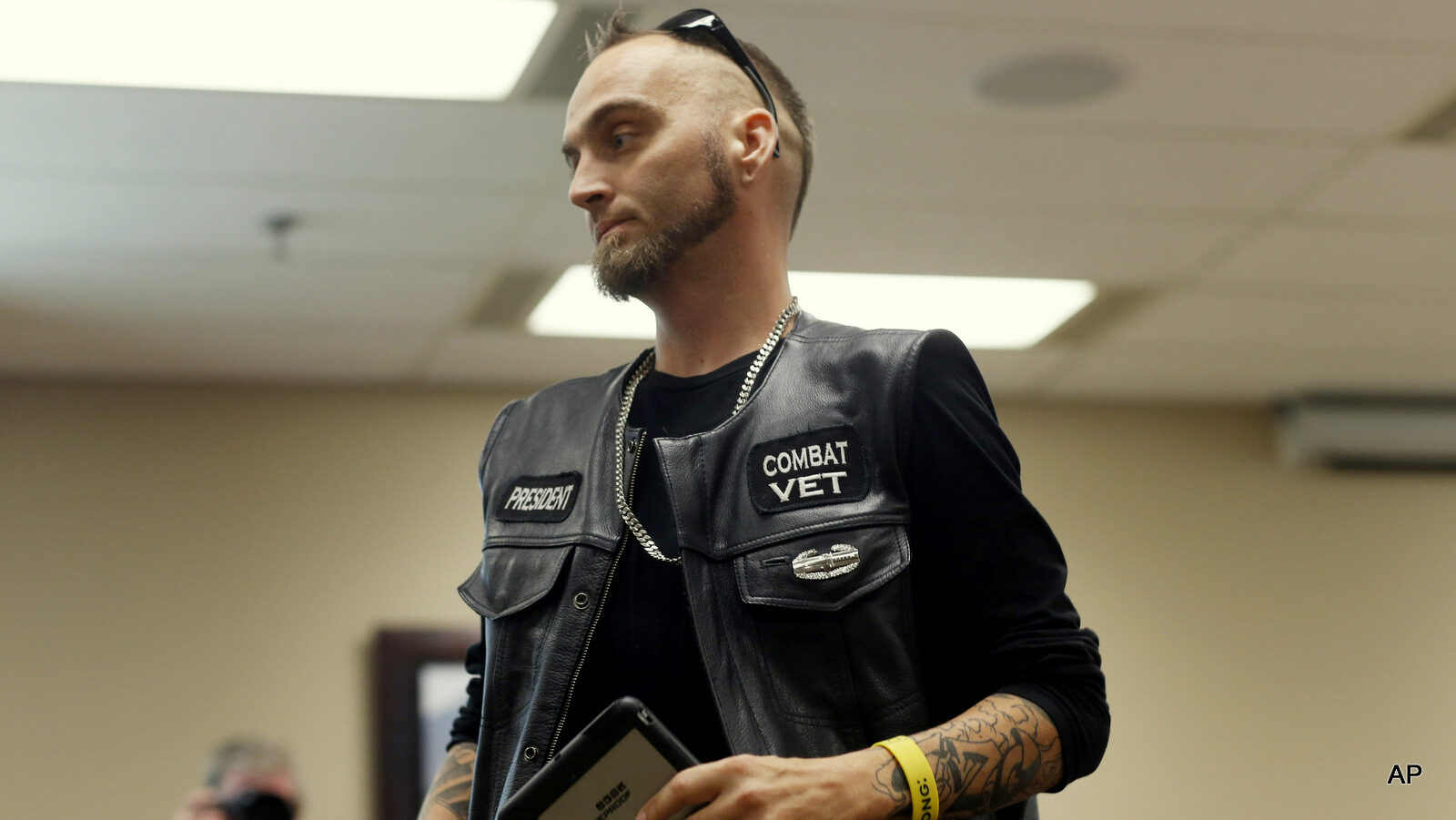
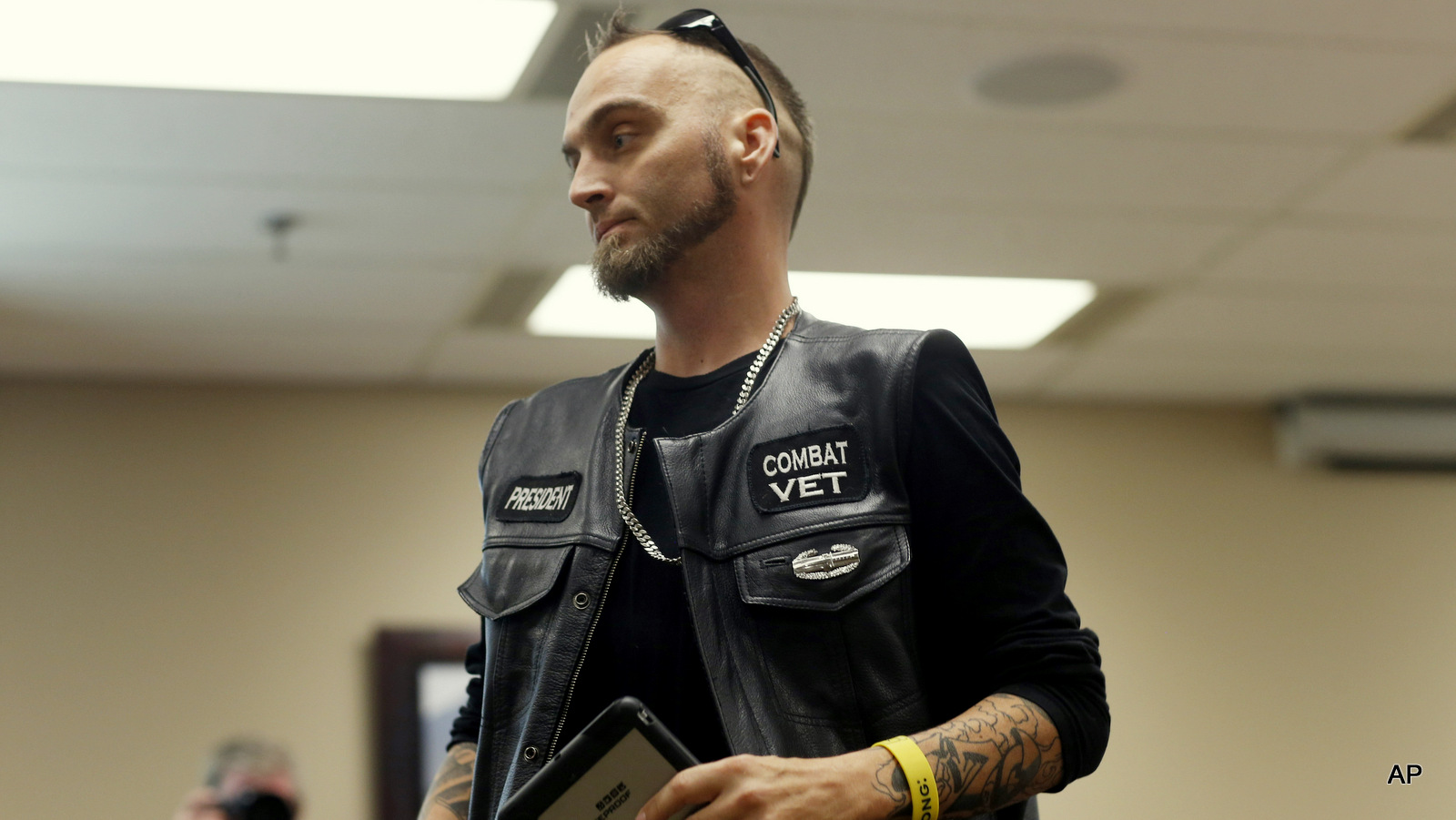
Matt Kahl, a veteran working with the group Grow4Vets, told CBS “This Morning” that medical marijuana gave him hope after a suicide attempt, and prompted his move to Colorado, where the drug was broadly legalized in 2014. Some veterans are less fortunate: Kristoffer Lewandowski was threatened with life in prison for his use of cannabis to treat PTSD under Oklahoma’s notoriously strict drug laws. Prosecutors dropped felony charges and released Lewandowski earlier this month on the heels of international outcry on social networks and in independent media.
Cannabis isn’t the only promising PTSD treatment that remains out of reach thanks to its legal status. Research suggests MDMA, the drug sometimes sold illegally as “Ecstasy” or “Molly,” might also help veterans recover from PTSD. But it is also considered a Schedule I drug by the U.S. government.
Watch “My Life My Medicine – Patrick’s Story (Veterans Day Edition),” a story of how a Colorado veteran uses medical marijuana for PTSD: