
• Support MPN
Logo Logo
  • Investigations
  • Analysis
  • Cartoons
  • Podcasts
  • Videos
  • Language
    • 中文
    • русский
    • Español
    • Français
    • اَلْعَرَبِيَّةُ
  • Support MPN
  • Watch | Gaza Fights Back

Megha Rajagopalan

Is $22.5M A Big Enough Penalty for Google After Violating Users’ Privacy?

It’s the largest civil penalty the Federal Trade Commission has ever imposed for violating one of its orders. But after the agency announced that Google will pay $22.5 million for overriding privacy settings in Apple’s Safari browser, skeptics quickly criticized the penalty as little more than symbolic for a company that had $2.8 billion in […]


August 14th, 2012
Megha Rajagopalan
August 14th, 2012
By Megha Rajagopalan
In this Wednesday, June 27, 2012, file photo, Vic Gundotra, Google Senior Vice President of Engineering, talks about Google Plus at the Google I/O conference in San Francisco. (AP Photo/Paul Sakuma, File)

It's the largest civil penalty the Federal Trade Commission has ever imposed for violating one of its orders. But after the agency announced that Google will pay $22.5 million for overriding privacy settings in Apple's Safari browser, skeptics quickly criticized the penalty as little more than symbolic for a company that had $2.8 billion in

Read Full Article

Announcing $22.5 Million Fine, FTC Says It Investigated Google’s Internet Tracking Early On

The Federal Trade Commission today announced a $22.5 million fine against Google for circumventing settings on Safari Internet browsers and planting advertising cookies without user consent — a subject we wrote about in June. The size of the fine — a record amount for an FTC privacy case — had been reported earlier by The Wall Street Journal, […]

August 10th, 2012
Megha Rajagopalan
August 10th, 2012
By Megha Rajagopalan
Exhibitors of the Google company work on laptop computers in front of an illuminated sign of the Google logo at the industrial fair Hannover Messe in Hanover, Germany,in this April 17, 2007 file photo. (AP Photo/Jens Meyer, file)

The Federal Trade Commission today announced a $22.5 million fine against Google for circumventing settings on Safari Internet browsers and planting advertising cookies without user consent — a subject we wrote about in June. The size of the fine — a record amount for an FTC privacy case — had been reported earlier by The Wall Street Journal, so

Read Full Article

Does Cybercrime Really Cost $1 Trillion?

By Megha Rajagopalan and Peter Maass Gen. Keith Alexander is the director of the National Security Agency and oversees U.S. Cyber Command, which means he leads the government’s effort to protect America from cyberattacks. Due to the secretive nature of his job, he maintains a relatively low profile, so when he does speak, people listen […]

August 2nd, 2012
Megha Rajagopalan
August 2nd, 2012
By Megha Rajagopalan
Homeland Security Secretary Michael Chertoff speaks about cybersecurity at the RSA conference in San Francisco, Tuesday, April 8, 2008. (AP Photo/Paul Sakuma)

By Megha Rajagopalan and Peter Maass Gen. Keith Alexander is the director of the National Security Agency and oversees U.S. Cyber Command, which means he leads the government’s effort to protect America from cyberattacks. Due to the secretive nature of his job, he maintains a relatively low profile, so when he does speak, people listen closely.

Read Full Article

How Many Millions Of Cellphones Are Police Watching?

In response to a congressional inquiry, mobile phone companies on Monday finally disclosed just how many times they’ve handed over users’ cellphone data to the FBI and other law enforcement agencies. By the New York Times’ count, cellphone companies responded to 1.3 million demands for subscribers’ information last year from law enforcement. Many of the records, such […]

July 12th, 2012
Megha Rajagopalan
July 12th, 2012
By Megha Rajagopalan
A man talks on his cell phone. (Photo by k. steudel via Flikr)

In response to a congressional inquiry, mobile phone companies on Monday finally disclosed just how many times they’ve handed over users’ cellphone data to the FBI and other law enforcement agencies. By the New York Times’ count, cellphone companies responded to 1.3 million demands for subscribers’ information last year from law enforcement. Many

Read Full Article

Cellphone Companies Will Share Your Location Data – Just Not With You

Cellphone companies hold onto your location information for years and routinely provide it to police and, in anonymized form, to outside companies. As they note in their privacy policies, Verizon, Sprint, AT&T, and T-Mobile all analyze your information to send you targeted ads for their own services or from outside companies. At least tens of thousands of […]

June 27th, 2012
Megha Rajagopalan
June 27th, 2012
By Megha Rajagopalan
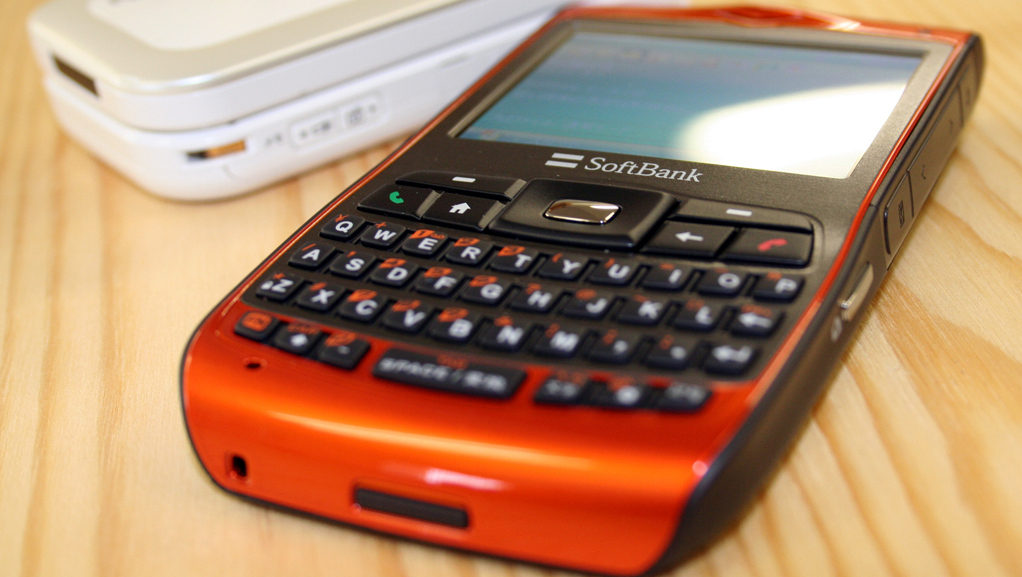
Cell phone companies hold on to location data for years, providing information to police as well as other companies. (Photo is a SoftBank X02HT(HTC) taken by K.O.)

Cellphone companies hold onto your location information for years and routinely provide it to police and, in anonymized form, to outside companies. As they note in their privacy policies, Verizon, Sprint, AT&T, and T-Mobile all analyze your information to send you targeted ads for their own services or from outside companies. At least tens

Read Full Article

Cheat Sheet: Behind The US Cyberattacks On Iran

This morning, The New York Times published a report detailing how the Bush and Obama administrations created the cyberweapon known as Stuxnet and used it to disrupt Iran’s uranium enrichment program. Much has been written about Stuxnet, which, as ProPublica recently reported, remains a threat beyond Iran. But the Times account, based on interviews with unnamed U.S. and […]

June 4th, 2012
Megha Rajagopalan
June 4th, 2012
By Megha Rajagopalan
Janet Napolitano, secretary of the Department of Homeland Security, visits the 131st National Guard Association National Conference meeting in Nashville, Tenn., on Sept. 13, 2009. (U.S. Army photo by Staff Sgt. Jim Greenhill)

This morning, The New York Times published a report detailing how the Bush and Obama administrations created the cyberweapon known as Stuxnet and used it to disrupt Iran’s uranium enrichment program. Much has been written about Stuxnet, which, as ProPublica recently reported, remains a threat beyond Iran. But the Times account, based on

Read Full Article

  • Contact Us
  • Archives
  • About Us
  • Privacy Policy
© 2026 MintPress News